

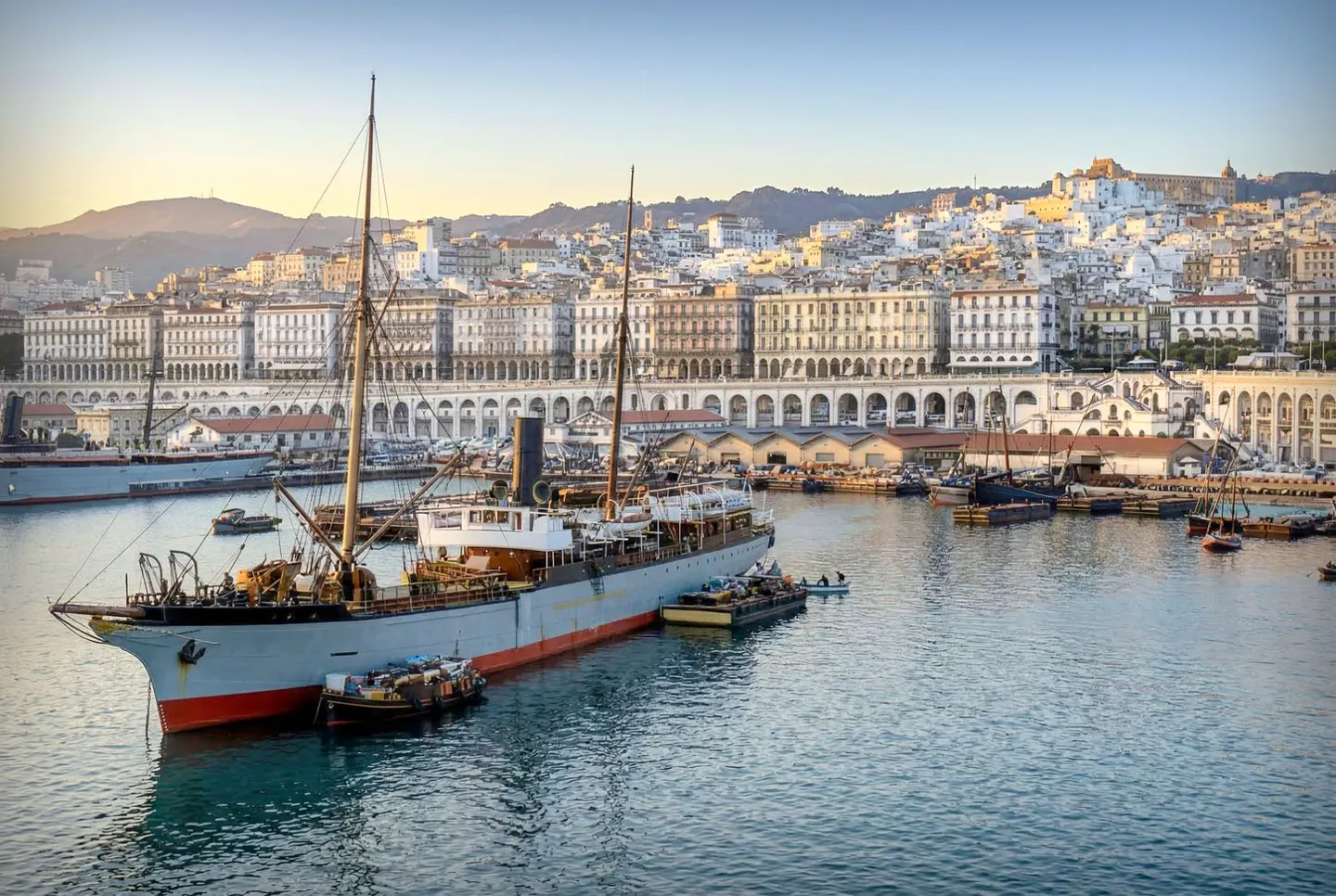
Start with a true sense of place
Photography can communicate the feeling of a destination. But a page crowded with videos, parallax and slogans may never explain the actual trip. Choose a strong visual story, a clear title and an obvious route to itineraries. Photography should represent the destination and be used with permission.
An itinerary earns confidence
For organised travel, explain the route and what is included: transport, lodging, meals where relevant, activities and conditions. Dates, pricing and availability must be checked. If an itinerary changes, say that details require confirmation rather than inventing instant availability.
Make inquiry easier than an application form
Begin with useful details: destination, preferred dates, number of travellers and contact method. A human adviser can collect the rest. Phone forms must be comfortable to complete, and confirmation messages must not imply that a booking exists when the form only prepared a message.
Design for the agency answering the inquiry
The customer experience matters, but so does the team receiving the request. They need a readable inquiry, a reliable follow-up and clear ownership. Full platforms may later handle documents and statuses. At Vyral, travel products remain an exploration, and their design should begin with how real agencies work.
What matters most
- Show the itinerary, not just scenery
- Validate every price and departure
- Design inquiry and follow-up together